

Are you aware of the growing need for secure protection in today’s fast-paced world? With increasing threats and risks, individuals and organizations are seeking reliable executive protection and bodyguard services to safeguard their assets and personnel.
Professional bodyguards play a crucial role in providing secure environments for high-profile individuals, executives, and organizations. Their expertise and training enable them to respond effectively to potential threats, ensuring the safety and security of their clients.
This article will delve into the world of executive protection, exploring its importance, the role of professional bodyguards, and the intricacies of these specialized services.
Key Takeaways
Table of Contents
- Understanding the importance of executive protection in today’s world.
- The role of professional bodyguards in providing secure environments.
- Key considerations for selecting reliable bodyguard services.
- The expertise and training of professional bodyguards.
- Best practices for ensuring effective executive protection.
The Fundamentals of Executive Protection and Bodyguard Services
In today’s complex security landscape, executive protection services have become increasingly vital. These services are designed to safeguard high-profile individuals, including corporate executives and celebrities, from various threats.
Defining Modern Protection Services
Modern protection services encompass a broad range of strategies and techniques tailored to mitigate risks. Close protection services involve a detailed assessment of potential threats and the implementation of effective countermeasures.
Core Principles of Executive Protection
The core principles of executive protection include risk assessment, threat analysis, and the development of comprehensive security plans. These principles are fundamental to ensuring the safety of protected individuals.
Legal Framework in the United States
In the United States, the legal framework governing executive protection is multifaceted, involving federal, state, and local laws. Understanding these regulations is crucial for providing compliant and effective security services.
Key Differences Between Executive Protection and Standard Security
Executive protection differs significantly from standard security measures. It involves personalized security solutions, advanced threat assessment, and highly trained personnel, often including former law enforcement or military professionals.
The Day-to-Day Role of Professional Bodyguards
Professional bodyguards play a critical role in VIP protection services, requiring a unique blend of physical prowess, tactical knowledge, and interpersonal skills. Their day-to-day responsibilities include advance work, secure transportation, and managing public appearances.
Developing Essential Skills for Protection Professionals
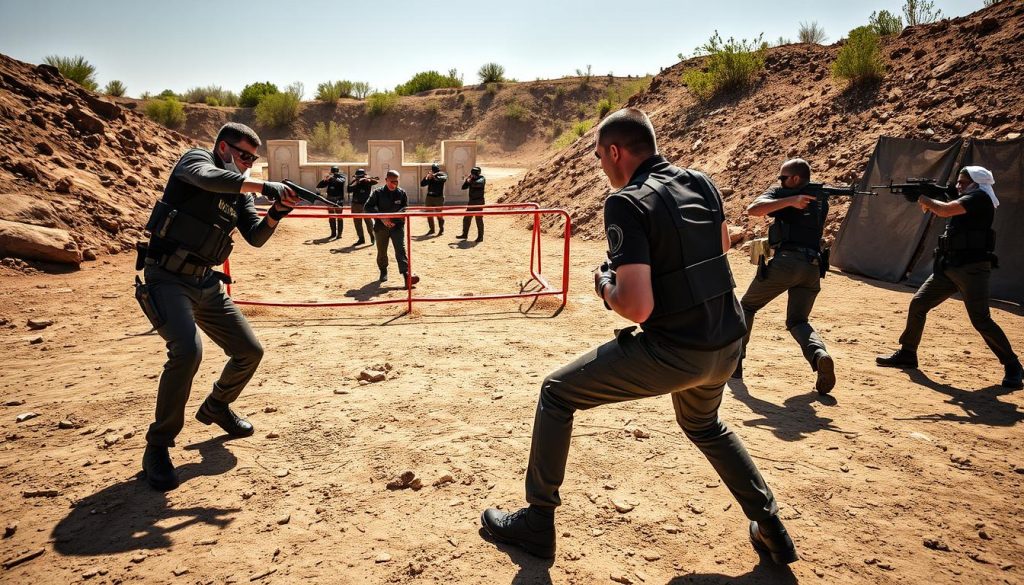
Becoming a proficient bodyguard requires a blend of physical, mental, and tactical skills. Protection professionals must be well-rounded and capable of handling a variety of situations.
Required Training and Certifications
To provide effective personal protection services, individuals must undergo specialized training and obtain relevant certifications. This training is crucial for developing the necessary skills to handle high-pressure situations.
Firearms Training and Licensing
Firearms training is a critical component of a bodyguard’s skill set. Professionals must be licensed and trained in the safe handling and use of firearms.
First Aid and Emergency Medical Response
First aid and emergency medical response training enable protection professionals to respond effectively in medical emergencies, potentially saving lives.
Building Physical and Mental Preparedness
Physical fitness is essential for bodyguards, who must be able to respond quickly and effectively in a variety of situations. Mental preparedness is equally important, as professionals must be able to remain calm under pressure.
Mastering Communication and Interpersonal Skills
Effective communication is vital in executive security services. Bodyguards must be able to interact professionally with clients, colleagues, and the public.
Enhancing Tactical Awareness and Threat Assessment
Tactical awareness and threat assessment are critical skills for protection professionals. These skills enable bodyguards to anticipate and mitigate potential threats.
| Skill | Description | Importance Level |
|---|---|---|
| Firearms Training | Safe handling and use of firearms | High |
| First Aid | Emergency medical response | High |
| Physical Fitness | Ability to respond quickly and effectively | High |
| Communication Skills | Professional interaction with clients and public | Medium |
| Tactical Awareness | Anticipating and mitigating threats | High |
How to Plan Effective Security Detail Operations
Effective security detail operations require meticulous planning and execution. Private security services must be well-coordinated to ensure the safety of their clients, particularly when it comes to VIP protection. The process involves several key steps that help in mitigating potential risks and threats.
Step 1: Conducting Thorough Risk Assessments
The first step in planning effective security detail operations is conducting thorough risk assessments. This involves identifying potential threats and vulnerabilities, as well as analyzing client-specific risk factors.
Identifying Potential Threats and Vulnerabilities
Identifying potential threats is crucial in developing a robust security plan. This includes assessing the environment, understanding the client’s profile, and recognizing potential security breaches. Threat assessment is a critical component that helps in anticipating and preparing for possible dangers.
Analyzing Client-Specific Risk Factors
Each client has unique risk factors that need to be analyzed. This could include their public profile, travel plans, and daily routines. By understanding these factors, security personnel can tailor their protection strategies to meet the client’s specific needs.
| Risk Factor | Description | Mitigation Strategy |
|---|---|---|
| Public Profile | High visibility due to public appearances or media presence | Enhanced security presence at public events |
| Travel Plans | Travel to high-risk areas or countries with security concerns | Advance security checks, secure transportation |
| Daily Routines | Predictable daily routines that could be exploited | Varying daily routines, secure communication channels |
Step 2: Developing Comprehensive Protection Strategies
Once the risk assessments are complete, the next step is to develop comprehensive protection strategies. This involves creating a detailed plan that addresses the identified risks and ensures the client’s safety.
“A well-planned security detail is not just about reacting to threats; it’s about anticipating and preventing them.”
Step 3: Performing Advance Work and Route Planning
Advance work and route planning are critical components of effective security detail operations. This involves scouting locations, planning secure routes, and coordinating with local security resources.
Step 4: Establishing Coordination with Local Security Resources
Finally, establishing coordination with local security resources is vital. This includes working with local law enforcement, security agencies, and other relevant bodies to ensure a unified response to any security threats.
By following these steps, private security services can ensure that their security detail operations are effective and provide the highest level of protection for their clients.
Implementing Professional VIP Protection Protocols
Implementing robust VIP protection protocols is crucial for safeguarding high-profile individuals. These protocols encompass a range of strategies and techniques designed to mitigate risks and ensure the safety of VIPs in various environments.
Mastering Formation and Positioning Techniques
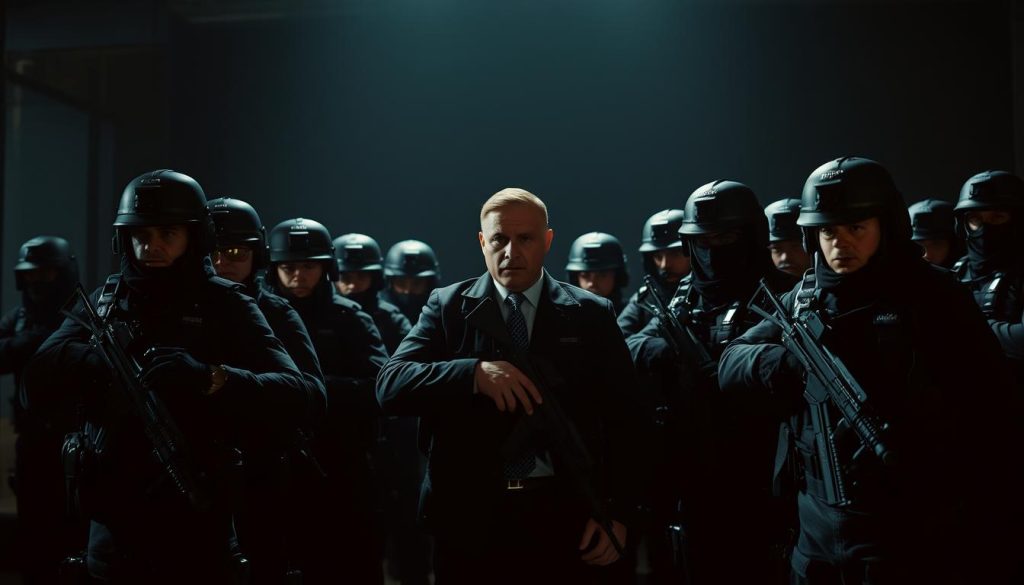
One of the critical aspects of VIP protection is mastering formation and positioning techniques. This involves arranging security personnel around the VIP to create a secure perimeter.
Diamond and Box Formations
Two common formations used in VIP protection are the diamond and box formations. The diamond formation involves positioning security personnel at the front, rear, and sides of the VIP, creating a diamond shape. The box formation, on the other hand, involves surrounding the VIP with security personnel on all sides, forming a box.
- The diamond formation is particularly effective in crowded areas where the VIP needs to move quickly.
- The box formation provides maximum security and is often used in high-risk environments.
Adapting Formations to Different Environments
Adapting these formations to different environments is crucial for effective VIP protection. For instance, in a crowded public event, the security detail may need to adjust their formation to navigate through the crowd safely.
Ensuring Vehicle Security and Transportation Safety
Ensuring the security of vehicles and transportation is another vital aspect of VIP protection. This includes conducting thorough checks on vehicles, using secure routes, and having a skilled driver.
| Vehicle Security Measure | Description |
|---|---|
| Vehicle Inspection | Regular checks for tampering or hidden dangers |
| Secure Routing | Planning routes to avoid high-risk areas |
| Driver Screening | Ensuring drivers are experienced and trustworthy |
Managing Public Appearances and High-Profile Events
Managing public appearances and high-profile events requires meticulous planning. This includes advance work to identify potential risks, coordinating with local security resources, and having a clear communication plan.
Executing Emergency Response Procedures
Despite thorough planning, emergencies can still occur. Therefore, having well-rehearsed emergency response procedures is essential.
Evacuation Protocols
Evacuation protocols are critical in situations where the VIP is in immediate danger. This involves having pre-planned evacuation routes and safe zones.
Medical Emergency Responses
Medical emergency responses are also a crucial component of VIP protection. This includes having trained medical personnel on standby and knowing the location of nearby medical facilities.
By implementing these professional VIP protection protocols, security personnel can effectively safeguard high-profile individuals in a variety of situations.
Conclusion: Building a Successful Career in Executive Protection
A career in executive protection requires a unique blend of skills, knowledge, and experience. Professionals in this field must be adept at personal protection, threat assessment, and tactical response.
To succeed, individuals should focus on developing essential skills, such as physical and mental preparedness, communication, and interpersonal skills. They must also stay up-to-date with the latest executive security protocols and technologies.
By combining these skills with a deep understanding of risk assessment and protection strategies, professionals can build a rewarding career in executive protection. As the demand for high-level security services continues to grow, the importance of skilled executive protection specialists will only continue to increase.
Whether you’re just starting out or looking to advance your career, the field of executive protection offers a challenging and dynamic environment that requires dedication, expertise, and a commitment to delivering exceptional personal protection services.